You're watching...

What Cities Can Learn from Detroit’s Financial Crisis

Details

  • Description

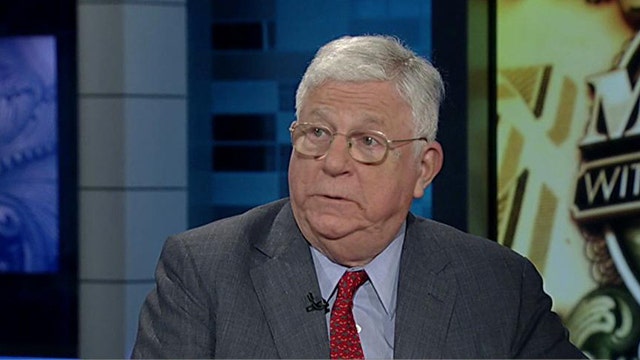
    Former Rep. Dennis Kucinich, (D-Ohio), and former NY Lt. Gov. Richard Ravitch discuss the financial issues facing cities such as Detroit.

  • Duration 5:52
  • Date

Clips

Also in this playlist...

Latest Video

Auto-advance: ON

Auto-advance

Transcript

This transcript is automatically generated

In -- Detroit is officially in a state of financial emergency with quote.

No satisfactory plan to resolve the situation it probably doesn't help.

That a new report shows nearly half of all property owners there never paid their taxes in 2011 so Detroit is headed for default.

And this is a situation that's happening more and more facing other municipalities but are there any lessons.

That other cities can learn so they can avoid economic crisis here to help us answer this question sort all this out.

To experts in the area former New York State lieutenant governor Richard Ravitch knows all about urban economics.

Also save the MTA years ago here in New York City Ohio congressman and Fox News contributor Dennis Kucinich.

Actually dealt with a similar situation as mayor of Cleveland city I have always loved.

When that city actually defaulted many years ago and history proved.

He was right when he was mayor we don't have time to get in the issues of -- but let me start with mr.

-- You have half secure your population not paying their taxes seems to me that Detroit has faced a breakdown in the social contract how do you put -- back together.

The -- the most serious risk of -- Luis growing insolvency is around the country is that.

Social order is is is -- if people aren't giving services.

They deemed necessary and they begin to act in -- fashion you or your taxes where you're satisfied.

The services and and it's a matter of growing concern around the country.

A congressman Kucinich -- -- you've retired from congress but.

What do you advise -- -- municipalities.

That face default and have population that is not paying taxes what about how do you turn that around.

Well not they -- they got to happen they ought to go after the banks and credit rating agencies we this is safe pick up.

From the 20082009.

Financial calamity which at this country you know the banks and the credit rating agencies have basically strip -- These cities and the cities are taking in the neck right now it's gonna keep happening.

In addition that trade policy is hurt.

Detroit mightily you know Citi just doesn't all of a sudden go from one point 8700000.

Without catastrophic effects on all of their systems and so.

You know we've we've got some bigger questions here do we even have an urban policy in the United States.

This is something that it's a deeper discussion Adam about.

The with the path out.

Well let me ask mr.

revs 'cause he's urban policy expert is this -- a lack of policy the United States or Europe as the mayor there excuse me the former congressman says.

You can blame them that the banks because of the housing crisis shares at a deeper problem.

I think to deeper problem mark.

Problems and start with the crisis in 2008 -- I agree with the congressman when it was accelerated by the way the banks in the grim agencies behaved.

The truth of the matter is that they've been fundamental shifts demographic shifts in the United States people are older we ever bigger -- obligations are our retirement expenses and our health care expenses -- grow much -- -- than our revenues.

And there is -- a city in this country that isn't in financial difficulty in one shape or another.

So congressman -- -- I realize you cannot ask people who are past that point.

Recovering you can't cut their pensions you can't cut their retirement benefits.

But isn't that where municipalities need to start looking -- people under fifty perhaps what's been promised can't be delivered in the future.

Now I I you know you would get we gotta look at this two different ways.

Macroeconomic and micro economic.

Macroeconomic as a national policy we've got to get America back to work we've got to bring jobs here we've we you know and and cities will feel the knock on effect.

Of of a rising tide in the economy.

But in addition to that the micro economics are -- certain cities must become once again.

Engines you know Jane but Jane Jacobs years ago wrote a book -- academy of cities.

Where she talked about -- sensuality of cities to the overall national academy we've got to go back -- helping to rebuild the infrastructure.

Gets -- working again menaces.

August oh this idea because it you know I love the midwest they called the Rust Belt it is my favorite part of this country because I lived -- for so long.

But I've heard this we gotta put people back to work since I was a kid in the seventies and eighties.

And it didn't happen in Detroit.

Water I'm telling you Adam you know when you consider that all the Great -- -- cities and states are sitting on the largest supply of fresh water in the world.

This is our future there's no reason why we should see these communities start to go down.

So generally did -- part of it -- to Al go back to what I said we need a national economic policy.

To put a full employment economy.

And we need health care for all the health care costs are going out of sight because the private sector still taking.

One out of every three dollars for corporate product stock options executive salaries we we need a new approach we're not used to rebuild the infrastructure.

Mr.

Ravitch how many TV last word on this T agree with the congressman or is it something everything -- have to deal -- I certainly agree that we should be investing more in our infrastructure.

In part because job creation is critically important when you have a number of unemployed that you.

But I disagree with -- one fundamental point we don't legislate policies in the United States -- -- programs.

We we took a lot about urban policy we have graduate degrees in a written policy but we've never had -- policy.

-- never gonna want to menace in the solution.

To a problem -- there is a fundamental result of what I said before.

That.

Revenues in this state and local level are not keeping pace -- The obligations that they assumed in -- and personal items -- -- more prosperous times in an aging population.

-- Dick Ravitch thank you very much congressman Kucinich thank you and I should point out that both of these men have made difficult fiscal decisions for their municipalities and both of them.

Have their lives threatened because of it it's kind of commonality -- two of you have but it was great to have you here.

On money -- the U.