You're watching...

Lipsky: A Clear Way Forward for Eurozone

Details

  • Description

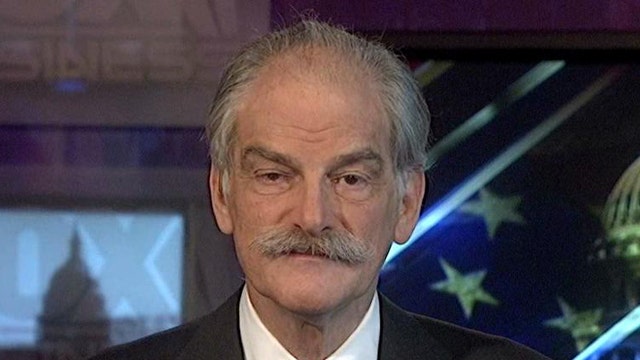
    John Lipsky, former IMF managing director, gives his take on repairing Europe’s economy.

  • Duration 3:50
  • Date

Clips

Also in this playlist...

Markets Now

Auto-advance: ON

Auto-advance

Transcript

This transcript is automatically generated

-- -- talking horror stories Euro zone economy plunged last quarter -- the fastest pace in nearly four years showing the crisis gripping the region.

Far from a move up this is G-20 finance witnesses get we're heading to meet in Moscow this week.

So who better to talk to about this -- John Lipsky he was acting managing director of the IMF now at Johns Hopkins.

University and thank you so much for joining us John.

-- we got the latest numbers out of the Arizona obviously not great the loss -- the the zone as a whole.

Contracting by point 6%.

We're not out of the woods yet view instrumental in crafting an eight packages for Greece and Portugal and Ireland.

Is their way out of this mess is this a broken structured going in.

Oh no not at all.

But there's that no illusion that they're restoring sustained growth across the Euro -- and in fact in the global economy in general.

Is going to require additional efforts and -- especially in Europe it's not going to be easy and it's not going to be quick.

But there's certainly the clear way forward.

They couldn't look -- on the Central Bank level but when it comes to fiscal policy seventeen governments trying to agree on on a set of rules.

Is very very difficult business.

Yes but they they have reach some very substantial agreements.

To create new instruments new institutions.

Over the past two years the challenge has been very big and as you said at the outset the numbers make clear they're far from out of the woods but.

They have a clear path forward.

Is this part of the reason though these problems.

That the Obama administration has been dragging its feet just a little bit -- trying to get a -- -- together with the European Union there is folks at.

They'll get sums of free -- agreement in place by June but.

It seems to -- it's pretty complicated issue.

It is indeed and there are some areas that will be a difficult to negotiate if there's going to be significant agreement.

For example in agricultural policy.

There may be some.

Discussions with regard to treatment of financial sectors in both areas.

But these are the two major economies in the world and if you can.

Produce some additional progress in trade liberalization.

That certainly offers as they benefit.

For growth on both sides.

There's also if there were to be an agreement between the US and the EU.

It could open the way to a final solution on the dole -- global trade round right that would be more important indeed.

We have the G-20 getting together in Russia this week it seems that the hot topic is the currency wars.

And I'm sure a lot of attention will be put on Japan but they're not -- shed any tears -- -- that quite happy to the value of the yen.

Because they need their exports to get a boost to mean is or anything of the G-20 could do on that issue.

Well the -- as you've seen through the verbiage in the press the statement by the G-7 the subsequent state clarifying statements and that.

Leaking of a potential draft statement by the G-20.

There is concern less that someone important.

Perhaps Japan begins actually intervening.

In currency markets.

That would be crossing a red line and could cause some real problems that could generate market volatility could be damaging.

So I suspect there's a bit of come fleeting.

In the public discussion -- going on it's one thing to want your currency to be a bit lower it's another thing to actively intervene that would be unacceptable to everyone's partners.

Will be following the G-20 carefully thank you so much said John Lipsky the Johns Hopkins University thank you very much.

Thank you.