This transcript is automatically generated
So far it looks like the new year will remain challenging for job hunters 2000 -- -- began with a positive but mediocre job report for the month of December.
With the economy seeing some growth -- but the employment market still very tough.
And now a new survey out from the -- university finds a huge gap between the qualifications potential employers are seeking.
And skills and traits that job seekers are focusing on when they go in -- that crucial interview.
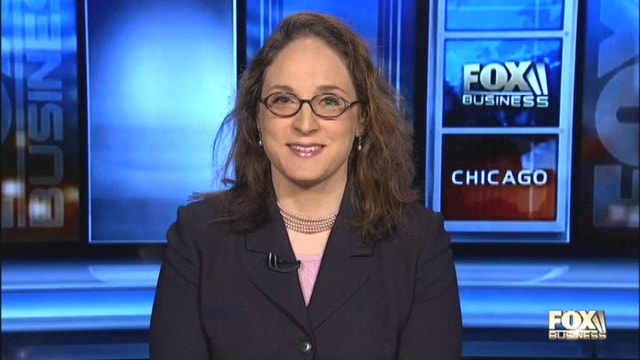
With us today is business consultant and workplace author Alexander -- to talk about the survey and what job hunters can do to improve their odds.
And being hired -- -- to thank you so much for coming in.
Thanks for having me so first off can you just give me some details about the survey.
Certainly while this survey is an annual study it's called the job preparedness indicator and -- was conducted.
By the career advisory board established -- -- university which has the goal of helping all job seekers advance.
And at the survey is really designed to track the gaps between what hiring managers say they're looking for in candidates.
And the skills that candidates are actually bringing to the table what are the traits that are looking for.
While there are couple that I think are really important in particular because they aren't necessarily things that people.
Are thinking about that -- to top of mind.
And the two traits that I wanna talk about.
First of all is the ability to be cross functional traditionally we've always recommended to people -- they have -- -- that they have one or two things that they're really good -- But now with all of the layoffs that have occurred recently.
Hiring managers really want people who can hit the ground running in a wide variety of disciplines so they want people who can do.
A ton of different types of jobs you can -- many different types of so for example they might be skilled in finance and marketing and project management and client relations.
That's the ability be cross functional.
Also I think in -- and up and coming scale.
Is global confidence or the ability to do business in a wide variety of cultures and countries.
And this is something that traditionally only multinational firms looked for and they only looked for it.
At the senior -- So when you say global experience I mean can you give me some specific examples of kind of if somebody goes and they're talking to a potential employer they're not going to just I I have global experience so.
Can we kind of just break it down a little bit more.
-- well there are several ways that you can showcase your global experience if you have any.
And one of the ways is to talk about times that you might have studied abroad or traveled abroad.
Anytime that you have had the opportunity to interact with colleagues in different countries maybe you have managed a project that was done overseas.
Or included colleagues that -- in many different areas of the world that's all global expertise.
Even something as simple as -- reading the economist on a daily basis and really having a good handle of the industry.
The industry news that's going on globally on the and that affects your company.
Those are really good -- to showcase that you are at least aware of the fact that there is a world beyond just the US and that we need to be concerned about it.
And and can you also give some examples about to cross training because of course I mean you wanna say that you have a niece she want -- -- -- somehow kind of specific in your field but at the same time how do you show them that you can also do well maybe a lot of things that one.
That's a great question and I really like the skills based resonate I know that.
There has been some controversy around the skills based resonate and I think that the controversies really due to the fact.
That people want to see a chronological job history and I think it's still necessary to include your chronological positions on -- resonate I would also.
Include -- section where you list transferable skills -- skills -- relevant across a wide variety of industries and roles.
Things that we mentioned before like client relations and marketing and budgeting and showed the you have concrete experience that you have made a difference to an organization's bottom line.
In a variety of different areas so that even if you're applying for a specific position.
They see hey not only can she do this position but look -- has the ability to to understand how other departments work.
-- other skill that I I'd like to mention is actually the ability to understand technology changes and to be efficient and effective on social media as it pertains to your job.
We have heard a lot about social media in recent years and I think it's not just important that you know how to use FaceBook and Twitter at for example but the you know.
What the importance is in terms of your role and how can you use these technology tools most effectively to do your job productively.
And I think this is something that particularly people the senior level they forget about they think that social -- just for kids that is just a -- that's going to passed and the truth is as these communication tools are here to stay.
And -- you need to become familiar with them.
You need to make sure the year on them to to track the changes and to really assess what can they do for you and what can they do from your organization.
Back.
How can you kind of decide.
How much or how little you should use social media I mean it does it matter in terms.
Hi how -- you are the chain or how high -- they're looking to go mean is there.
It's it's hard to navigate.
It is hard to navigate and I suggest actually seeking and -- ship which is is one of the great ways that we recommend.
That people -- improve their job prospects in general.
Is to actually think that the talk to someone who is a couple of years above you on the -- and find out how do things in general so social media would be one example how to be used social media to network -- do their jobs more effectively.
And you can also asked them things like what transferable skills do I need.
To impress hiring managers are what are hiring managers in our particular field looking for these days and that -- can begin to customize your approach.
So the -- more successful in -- in the interview and why do you think there's such a gap.
I mean why don't you think it's obvious you.
People who are looking for jobs to -- mentioned this goes by talking about.
Well -- and this is also the question and I think there's a gap because people do not necessarily think that the skills.
That hiring managers are looking for are the most important so for example we -- job seekers we often hear.
That they think things like work ethic and being able to communicate well are important across all levels and while these things are indeed important.
When you talked hiring managers you see the hiring managers will say that these are very basic skills that having a good work ethic for example should be given.
And selling job seeker might go into an interview all proud of the fact that he has a wonderful work ethic went back that's totally what a hiring manager is expecting.
And really it's just -- a lack of awareness of these higher order skills these things like global competence and be the ability to be cross functional and the ability to understand technological changes -- think that necessarily aren't on people's radars and I think that's.
-- -- -- -- And that another reason for that gap.
In the fact that people may have these skills but they may not be communicating now as effectively in their resonate and in their interviews as they could be.
An overall what do you -- Of the jobs market these days I mean what do you think about.
That the last couple months and and where we are today.
Christina actually think that things are improving and I think that the issue has -- is been much slower than anyone would've hoped.
When the recession first hit us in early 2008.
We really.
We're expecting things to have improved drastically within a few years and it has been very very slow but that's an IDC an uptick.
I do see an up tick in hiring in most industries and I see that there are -- -- of positions just waiting.
For the right candidates to come in and take them so really I -- this gap is being the primary problem that people can't get jobs not but the jobs aren't out there.
And so it's really a positive message for job seekers out there that there are just so many things that you can do.
To improve your marketability and your ability to actually go out and secure -- job with only if -- number of interviews.
Great advice as always Alexander thank you so much for coming in I really appreciate that.
Thanks for having Christina.