You're watching...

Italy, Mexico Bonds a ‘Buy’ for Investors?

Details

  • Description

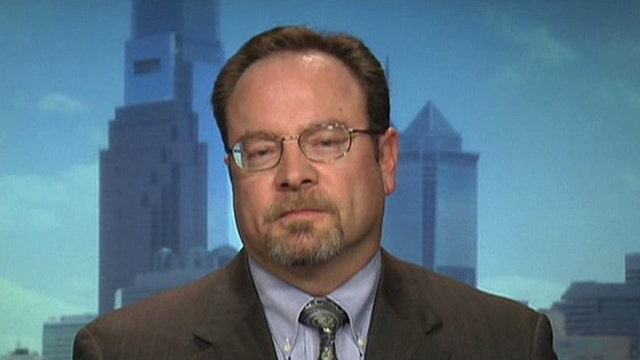
    Brandywine Global Portfolio Manager Jack McIntyre on investing in bonds overseas.

  • Duration 5:20
  • Date

Clips

Also in this playlist...

Latest Video

Auto-advance: ON

Auto-advance

Transcript

This transcript is automatically generated

Long term interest rates remain at record closes the Fed continues its bond buying program.

We've got an analyst who says.

If not -- US treasuries because they're not really -- -- much there are ways to make money in fixed income -- Us now is Jack MacIntyre is brandywine global portfolio manager and senior research analyst Jack good to see -- central banks what they're doing here clearly is is trying to get people.

Out of there savings accounts into the equity markets they want to stimulate the equity markets but.

What for folks in fixed income it it makes your job much harder than it used to be how is.

The whole idea of fixed income changing as a result of what central banks all over the world are doing.

-- -- if I was a -- a US based investor my universe was just the US spot market yet it would be extremely challenging.

But I've got the luxury of being able reallocate.

Our clients capital away from the US into some of those higher yielding bond markets.

Out there -- and it's not just the yields these are also improving credits.

Out there particularly away from the developed markets that have those.

Over levered balance sheets there's a lot economies -- better growth prospects much cleaner balance sheets.

And we should see continued declines in those yields is that money gets allocated away from the US.

You know one of the things that we always wanted to do here Fox Business -- give people ideas and when we saw your ideas we thought this is really interesting for those -- work.

Really feeling that they still want to be in country's debt but again as you say the US -- -- as well dump it into it you know hundred.

Underneath here is your mattress.

Let's talk first about some of the developed countries were you like the sovereign debt.

Yep we look at what's happened in didn't Europe we've actions have been moving money.

Into an Italian bonds.

We've been in pork side and Poland bonds which -- money into Portuguese bonds but.

-- what's driving there is one is the attractiveness.

Of both the nominal and real yields you've got a major shift.

By the year ago in the ECB.

Towards running accommodative monetary policy and that was a big development.

And then you've got drug -- sort of drawing a line in the sand -- -- he's gonna do whatever it takes to defend.

The Euro and to me that was a game changer you don't get to -- game changer but when he said that back into over the summer that told us that -- we should probably be thinking about putting some money to work.

In Italian bonds they still have attractive yields particularly relative to treasuries.

And Poland.

It's still as attractive yield it's been a really strong bond market's been a strong currency.

Health care it's not quite as attractive.

As Italy right now but we still have money allocated to -- but -- you when -- talk about Italy and Poland and Mexican bonds idea I think of them nice to cover Mexico back in the eighty's and ninety's I remember some defaults out there are being there there are some very.

To me it sounds more like junk bonds and fixed income.

Well -- tired but make the comment that you are these are not your father's emerging markets we've seen a huge development.

Over the last ten years or so in the -- and what.

Is the developing world right now and Mexico is a classic example let me -- challenge and -- -- because we have seeing Mexico go into terrible crisis with his drug war and that eventually effects investments into Mexico so there there are a lot of elements in which it looks even worse of our fathers Mexico.

Well I agree -- percent because there are those very bad nasty headlines about the drug cartels but even despite debt.

Mexico continues to attract significant.

FDI you know to the tune of about twenty billion every year.

Right now so yeah that that is a big negative issue but it shows that beyond that.

By the Mexican economy continues to experience.

Better than trend growth -- got great demographics a young productive workforce and it's a leverage play.

On the US but it's also -- very open economy they have about.

44 free trade agreements that put that in perspective the US only has nineteen so.

We continue to see Mexico.

And wonder that the themes with Mexico and its Latin American -- particularly in Mexico.

Is that they can compete with China on a cost of production basis and that you know that -- have been -- for -- ten years.

You've got a lot of different plants there that move you've got big US multinationals building plants down merode you know Flextronics everyone -- that to be big automakers.

I'd be remiss if -- didn't ask you about your your perspective on on currencies a lot of our viewers play the currency market right now there's some real yield in certain pockets of it.

You are are kind of staying away from the Euro at the moment does that mean that you like the dollar or -- some other currency plays that you feel can bring people some money here.

Yes there -- -- -- -- less bearish on the Euro we had not had any your exposure and portfolio we've been building some exposure.

But again we've liked the British pound we'd like to -- -- sliding.

The Hungarian for -- so there we -- in Europe just not in the Euro and how you're right there's a lot of commodity related currencies that still have better growth prospects.

And -- things I would mention one then I think.

With China starting to re accelerate debt should be a good thing for some of these commodity currencies particularly -- Latin America.

Currencies as well -- -- include the south African Rand.

In there as well.

Buy low sell high so now's the time thank you Jacki thanks Jack Jack -- entire brandywine global portfolio manager and senior research analyst.