You're watching...

Should Genetically-Modified Foods Be Labeled?

Details

  • Description

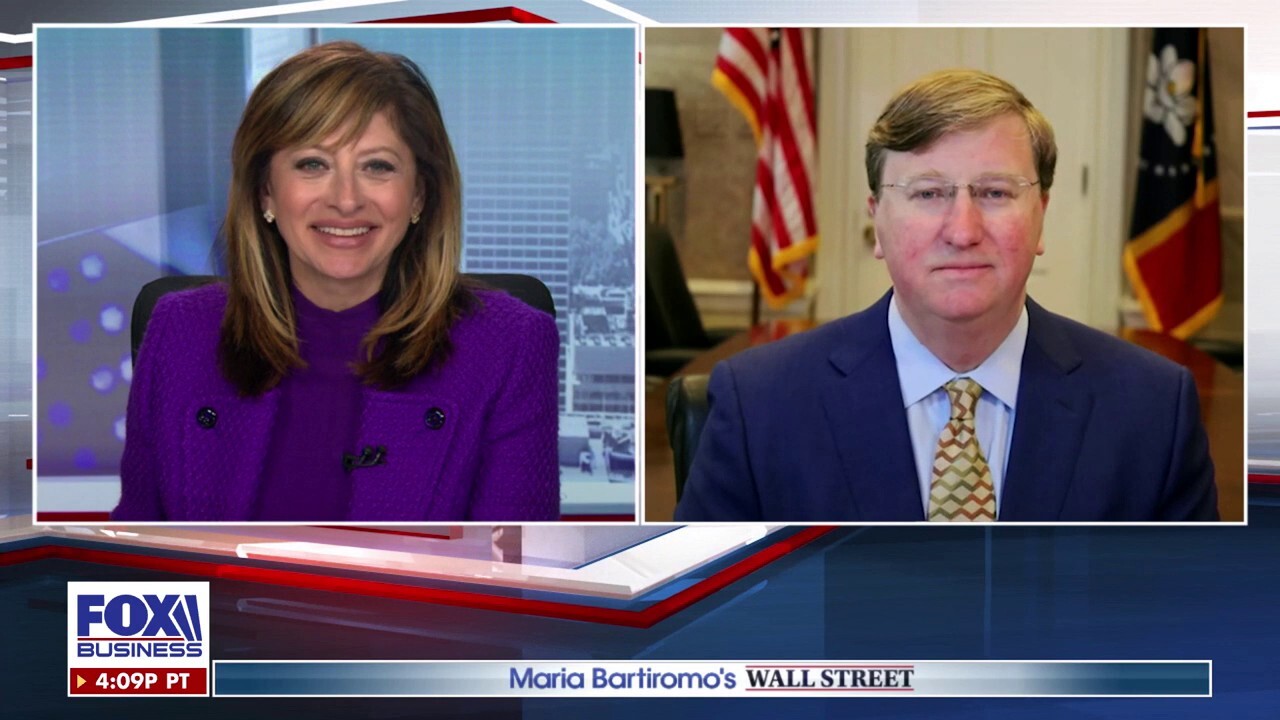
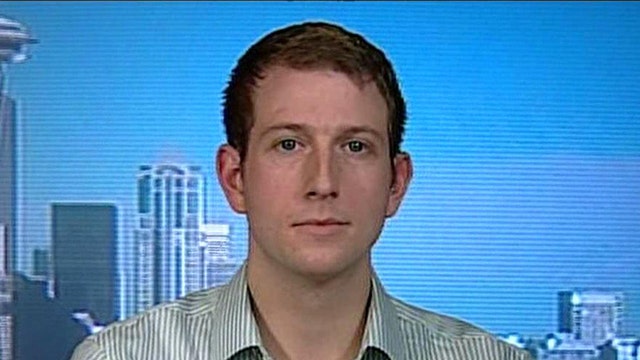
    State Rep. Joe Fitzgibbon, (D-Wash.), on efforts in the state to label foods that have been genetically modified.

  • Duration 4:27
  • Date

Clips

Also in this playlist...

Latest Video

Auto-advance: ON

Auto-advance

Transcript

This transcript is automatically generated

Three recently told you about that genetically modified salmon that congress is considering putting on the market evidently a lot of the food we eat mainly fruits and vegetables of course.

Are already modified we know about it because they're not labeled.

But there is a new initiative and Washington State.

That would require all genetically modified food to be labeled that is starting in 2015 critics say.

The law would hurt farmers and -- already high food prices to go up even -- but -- terrorist.

Like say.

Reits you know what I'm eating.

Joining me to discuss both sides of state representative Joseph Fitz -- stake you so much for joining us.

You're on the fence about this right.

How old Melissa thanks for having me I would say that.

For me the bottom line is that that people should have the right to know what they're eating and we should have the right to make that choice for themselves.

I don't have strong feelings one way or the other about whether or not genetically modified foods are good or bad.

And I think if they were labeled I'm not sure that that would make any difference in my personal buying decisions by.

I do think that families and individuals -- have the right to make that choice themselves and not have that choice made them -- -- after Monsanto or some other big.

Food conglomerate.

You know on the one end you have what you mean you -- Monsanto you gave -- watermelons.

That are smaller their C bliss I mean they've modified -- in a way to make them more desirable to people that seems.

You know.

I don't know it for some reason that's less threatening that when we talk about these salmon that have been genetically modified to grow twice as fast.

They're stare also that they can't repopulates and then they know exactly which ones they are there's something about that that sounds very creepy it's like that fish in the Simpsons that pops up and have three I think that's I think what I hear about these I feel like.

I have the right to know if that's the fish -- leading.

Well you know Melissa we don't know the FDA has never tested genetically modified organisms to determine if they're safe for human health and the industry says that they are.

IE I don't know one way or the other -- I think that a lot of consumers feel the way you do and would like -- just have the right to me that's Christian himself.

Maybe for watermelon they would feel okay about it may be for a salmon they would not.

I just think that those -- -- this should be made by each family for themselves and not be made by in in a corporate -- somewhere.

Families in Washington State and even a lot of farmers here -- state you know we have a huge agricultural sector in Washington.

A lot of farmers feel the same way feel that that they should that that that information should be provided to their customers and that's at this initiative is all about.

Right -- in the FDA has looked at -- -- -- a situation and they believe that it is safe although you know there are a lot of people out that its stated the FDA doesn't go far not -- that you know they wanna keep it hormones in chicken and other things are considered -- But they don't want to -- back to their children they feel like it has an impact.

The -- this argument though is the cost and every time I mean you know you put a label on something in every time you increase regulation.

It makes the price of the food more expensive.

You know it it hurts the people that are selling it because it's just -- costs that they have to bear that they don't giving him back for.

So so and and you know there -- people around the world that better starving it could benefit from genetically modified its how do you tackle those arguments.

Sure and that's you know I I would not.

Myself support a ban on genetically modified food that they did it may well be that there's a time and a place for for those.

Kinds of foods on the market and certainly made me you know in certain third -- countries that might be something that they can help -- with hunger problems.

The same time.

If the label at the costs you know there's we already have nutrition facts on our food we have interest and taxes on every box of cereal that you buy.

And there's there's a small costs associated with that would would we want -- not provide that information to the to the consumer just sent it to save a few pennies on a box of cereal yeah I don't think so I think that that's the consumers -- note for me is is more important than that.

And -- and I also think that voters in Washington State are going to.

Understand that a little bit ink on paper on the packaging of -- yeah product is not gonna change the price very much that's.

Studies that -- the industry -- commissioned that show huge increases in food bills -- for consumers.

Tend to.

Be based on the assumption that consumers will not eat any genetically modified foods.

I don't really -- that's a fair assumption he had OK thank you so much for coming -- we really appreciate your time.

Thanks for having me go -- I was real.